
In Tampa Bay, where weather-related challenges can significantly impact roofs, hiring the right residential roofers is crucial for any homeowner. However, understanding licensing and insurance requirements can be daunting. This article provides an in-depth guide tailored to the specific needs of residential roofers in Tampa Bay, ensuring compliance with Florida Building Codes and the Licensing Board. We explore the essential aspects of insurance policies, including liability and workers' compensation, and highlight the importance of 24/7 emergency services for addressing urgent roofing issues. By the end, you'll be equipped to make informed decisions and maintain the integrity of your roof.
- Understanding Licensing Requirements for Tampa Bay Roofers
- Types of Licenses Needed for Residential Roofers in Tampa Bay
- Obtaining a Contractor's License in Tampa Bay
- Insurance Mandates for Tampa Bay's Residential Roofers
- Workers' Compensation Insurance: A Tampa Bay Requirement
- Liability Insurance: Protecting Your Business in Tampa Bay
- Compliance and Enforcement: Tampa Bay's Regulatory Landscape
- Best Practices for Licensed and Insured Roofing in Tampa Bay
Understanding Licensing Requirements for Tampa Bay Roofers

For offering roofing services in Tampa Bay, understanding the licensing landscape is crucial for both residential roofers Tampa Bay and property owners. The Florida Building Codes set the standards for construction, including roofing practices, and the local Licensing Board ensures these regulations are enforced. Roofers must obtain a contractor's license to operate within the region, demonstrating their competence and professionalism.
Residential roofers Tampa Bay need to navigate a few key licensing steps. First, they must register with the state, providing details about their business and qualifications. Following this, they apply for a local business license from the city or county clerk's office. It's essential to note that license requirements can vary, so roofers should check with the Tampa Bay Licensing Board for the most up-to-date and specific guidelines. One common requirement is proof of insurance, which protects both the roofer and the client. This insurance should cover general liability, worker's compensation, and often, specific coverage for the cost of roof repair Tampa Bay, ensuring clients are not left with unexpected financial burdens.
Budget-friendly roofers Tampa Bay, like any other business, must stay compliant to avoid legal repercussions. They should be mindful of the licensing process, especially when hiring or sub-contracting workers. Using licensed and insured contractors is not only a legal requirement but also ensures the work meets safety standards. A regular roof inspection Tampa Bay, for instance, is crucial to identify minor repairs or weather-related issues early on, preventing more extensive and costly damage. By adhering to these licensing and insurance requirements, residential roofers Tampa Bay can build a solid reputation, ensuring customer satisfaction and long-term success.
Types of Licenses Needed for Residential Roofers in Tampa Bay
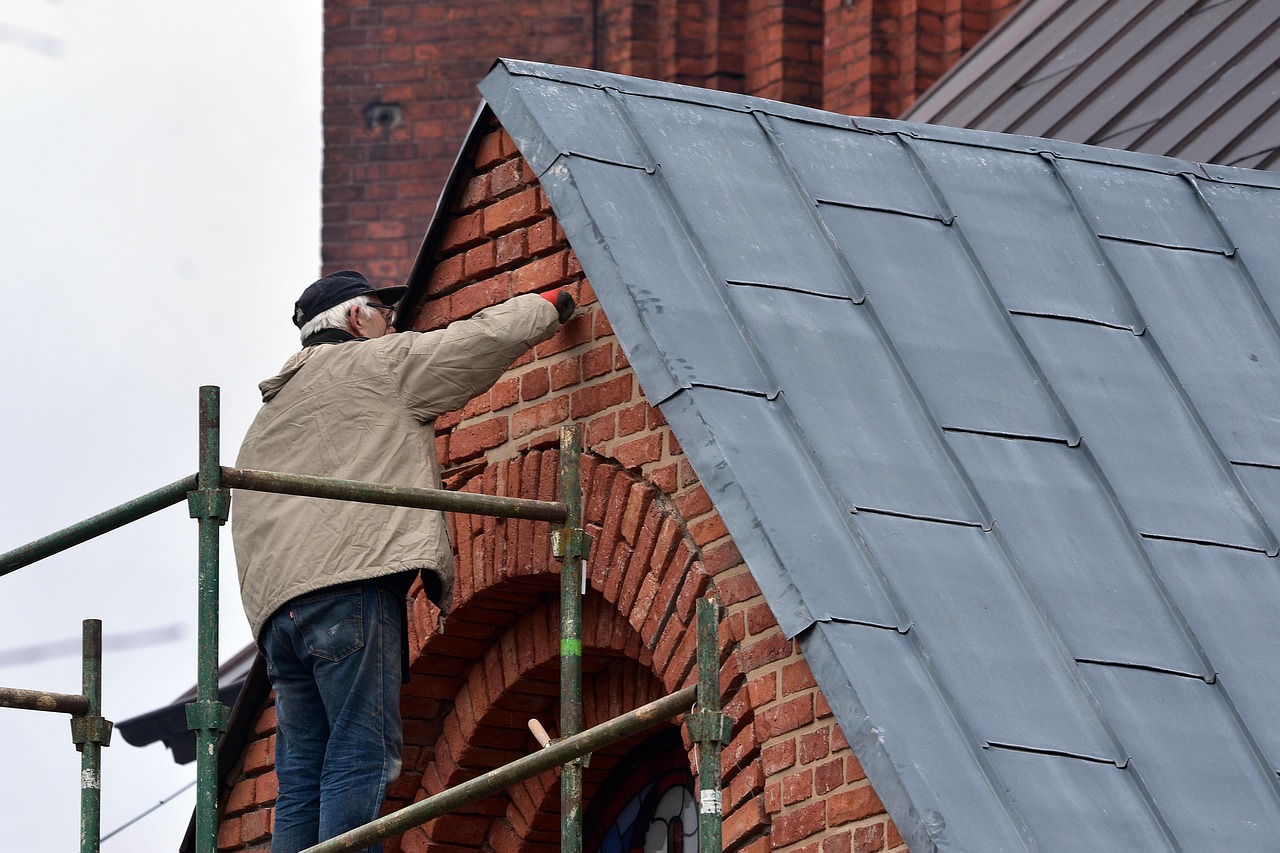
In Tampa Bay, residential roofers must navigate a specific legal landscape to operate effectively. The first step for any roofer looking to provide services in this region is to obtain a valid license from the appropriate authority, ensuring they meet the required standards set by the Florida Building Codes. This process involves applying to the Licensing Board, providing necessary documentation, and possibly undergoing examinations to demonstrate proficiency in roofing practices.
Top-rated roofers in Tampa Bay understand that staying licensed is non-negotiable. The license serves as proof of competence and adherence to safety protocols, which is crucial when dealing with structures that are integral to a home's integrity. Local roofing contractors Tampa Bay who maintain their licenses actively protect their customers' interests and are better equipped to handle a variety of roofing projects, from minor repairs to full installations. A licensed roofer will be familiar with the latest regulations regarding material selection, such as the increasing popularity of asphalt shingles, and will be able to offer expert advice on their suitability for the local climate and weather-related issues.
Obtaining and renewing licenses is just one aspect of the comprehensive insurance requirements for residential roofers in Tampa Bay. Professional liability insurance, also known as errors and omissions coverage, is essential to protect against potential claims arising from work-related incidents. Workers' compensation insurance is mandatory for any roofer employing or subcontracting workers. These insurance policies safeguard both the roofer and their clients, demonstrating a commitment to quality assurance and competitive pricing that can set top-rated roofers apart. Reading reviews for roofers Tampa Bay can help potential clients assess a contractor's reliability and insurance status, ensuring they choose a reputable and adequately insured professional for their roofing needs.
Obtaining a Contractor's License in Tampa Bay
Obtaining a contractor's license is a crucial step for any residential roofer aiming to operate in Tampa Bay. The Florida Building Codes and Licensing Board set the standards and regulations that all roofing contractors must adhere to. In Tampa Bay, this involves registering with the state, passing a business and trade exam, and demonstrating compliance with local building codes. The process ensures that only qualified and competent professionals offer their services to homeowners.
A residential roofer wanting to offer same-day roof repair services would need to complete the licensing requirements outlined by the Board. This includes providing proof of insurance, which is a critical component of operating in Tampa Bay's competitive market. The Board requires a minimum level of liability insurance to protect both the contractor and the client. This is to safeguard against potential risks and damages that may arise during roofing projects, which can be weather-related, especially given the area's propensity for storms.
Once licensed, roofing contractors in Tampa Bay are expected to maintain high standards of professionalism. This includes staying up-to-date with industry changes, participating in regular safety inspections, and adhering to the local building code's guidelines. Minor repairs and maintenance tasks should be handled by licensed professionals to ensure the longevity of the roof and avoid potential structural issues. Professional roof maintenance, which includes seasonal checks, is a service that many Tampa Bay residents value, knowing that their roof is in the hands of experts who understand the local climate and conditions.
Licensing is not just a legal requirement; it's a sign of a residential roofer's commitment to quality and safety in Tampa Bay. By adhering to these guidelines, roofing contractors can build a solid reputation, offering customers peace of mind and ensuring their homes are protected under local regulations.
Insurance Mandates for Tampa Bay's Residential Roofers
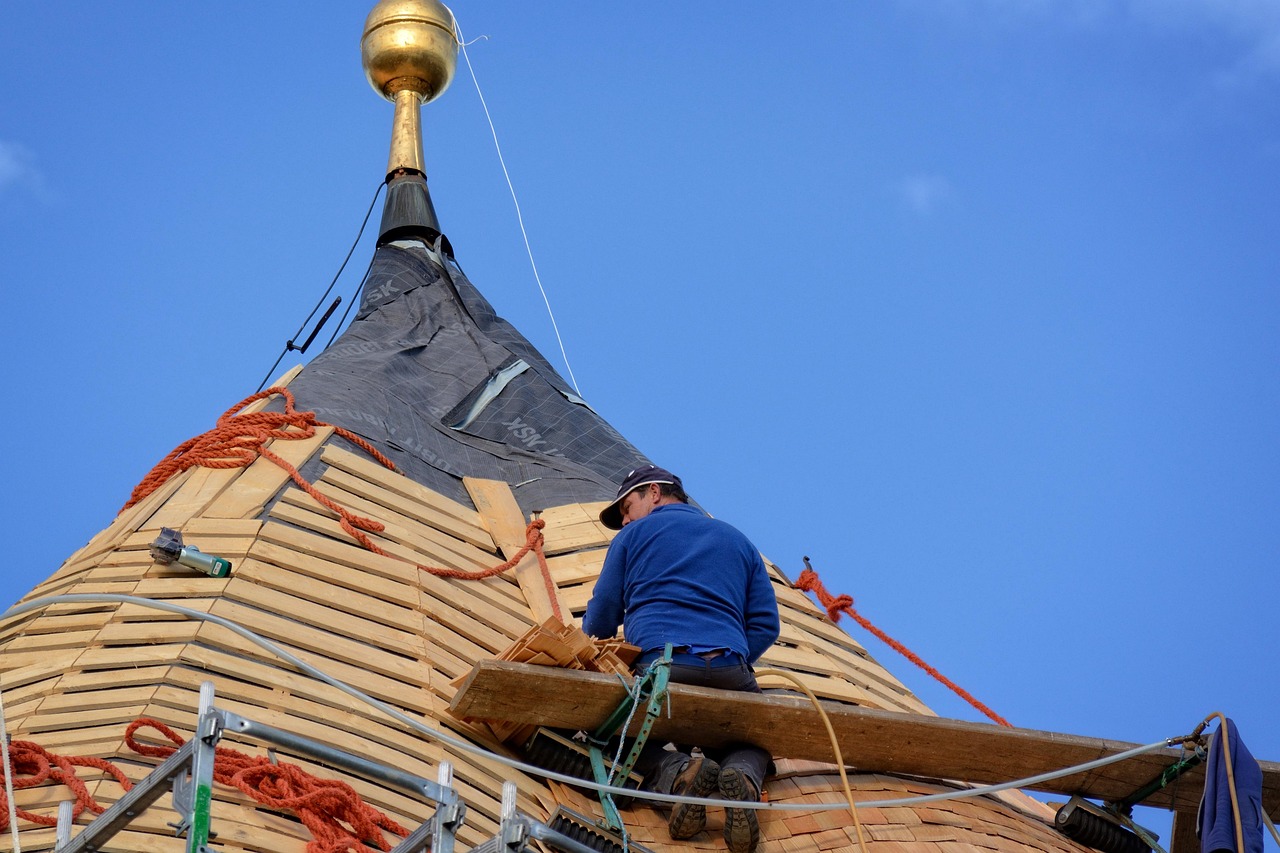
Residential roofers in Tampa Bay face distinct insurance requirements to operate legally and protect their customers' interests. As roof replacement specialists, these professionals are responsible for ensuring the safety and integrity of their work, which involves handling hazardous materials like asbestos and working at heights. Therefore, their insurance policies must reflect these risks.
The most common types of insurance policies for residential roofers in Tampa Bay include general liability insurance, workers' compensation insurance, and commercial property insurance. General liability insurance protects against claims of bodily injury or property damage caused by the roofer's negligence. This is crucial, as roofers often work on private properties and must account for potential slip-and-fall accidents or damage to neighbors' structures during the installation or repair process. Workers' compensation insurance is mandatory in Florida and provides coverage for medical expenses and lost wages for roofing contractors if they get injured on the job. Commercial property insurance protects the roofer's business assets, including tools, equipment, and vehicles, in case of theft, damage, or destruction.
When selecting an insurance policy, Tampa Bay's residential roofers should consider their specific business needs and the potential risks associated with their work. If a roofer specializes in complex roof repairs, they might require additional coverage for professional liability or umbrella insurance to protect against high-value claims. Reading reviews for roofers Tampa Bay can help identify businesses with strong safety records and adequate insurance, ensuring a more secure and reliable service for homeowners. Understanding and adhering to these insurance mandates is not only a legal necessity but also a key factor in maintaining a solid reputation as a roofing contractor in the Tampa Bay area.
Workers' Compensation Insurance: A Tampa Bay Requirement

For residential roofers Tampa Bay, navigating the complexities of workers' compensation insurance is a crucial step in ensuring compliance and protecting their business. In Florida, this insurance is not just an option-it's a legal requirement for all roofing contractors, including certified roofers Tampa, to protect their workers from job-related injuries. Unlike general liability insurance, which covers property damage or personal injury caused to third parties, workers' comp insurance specifically focuses on medical expenses and wage replacement for employees injured or ill on the job.
The Florida Building Codes and the Licensing Board emphasize the importance of this coverage. When a roofer employs even a single person, they must secure workers' comp insurance. This includes seasonal help and part-time workers. Failure to do so can result in severe penalties and legal repercussions. For roofing services near me, it's essential to understand that the scope of this insurance extends to all employees, regardless of their role or tenure. This means that if a roofer, say, a professional roof inspection Tampa specialist, slips and falls while on a job site, their workers' comp policy will cover their medical bills and a portion of their wages during recovery.
The insurance policy itself typically includes a detailed description of covered services, such as roofing repairs and installations, and may specify exclusions for certain high-risk activities or conditions. Roofers should carefully review their policies to understand what's covered and what isn't. Most policies will cover standard roofing materials like asphalt shingles, but specialized equipment or materials may require additional coverage. By ensuring they have adequate workers' comp insurance, residential roofers Tampa Bay can focus on delivering quality roofing services while maintaining a positive industry reputation and customer reviews.
Liability Insurance: Protecting Your Business in Tampa Bay

For residential roofers in Tampa Bay, liability insurance is not just an option-it's a crucial component of doing business. This coverage safeguards both the roofer and their clients, protecting against potential risks and financial losses associated with roofing services. In a region like Tampa Bay, where natural weather events can cause extensive damage, having the right insurance is vital.
Experienced roofers in Tampa understand the importance of this coverage. It shields them from claims related to property damage, personal injury, or even death that might occur during the roofing process. A roofer could be held liable if a falling tile injures a passerby or if their work leads to water damage that requires extensive repairs. Local roofing contractors Tampa rely on liability insurance to demonstrate their professionalism and protect their businesses from potentially devastating lawsuits.
When selecting liability insurance, Tampa Bay residential roofers should consider the type of coverage offered. General liability insurance is a common choice, covering claims of bodily injury and property damage. Some policies may also include specific coverage for professional services, such as errors and omissions insurance, which protects against claims of negligence or mistakes made during the installation or repair process. By understanding their options and choosing a policy that aligns with their services, local roofing contractors can ensure they are adequately protected, allowing them to focus on delivering quality roofing services near me with peace of mind.
Compliance and Enforcement: Tampa Bay's Regulatory Landscape

The Tampa Bay area's regulatory landscape plays a crucial role in shaping the practices of residential roofers. Compliance with local building codes and licensing requirements is not just a legal necessity; it ensures the safety and durability of roofs, protecting homeowners and the reputation of trusted roofing companies Tampa Bay residents rely on. The Florida Building Codes, enforced by the Licensing Board, set the standards for construction, including roofing materials and installation methods. These codes are designed to prevent structural failures and promote fire safety, among other critical aspects.
For nearby emergency roofers, navigating these regulations can be a challenge, especially when responding to urgent situations. Rapid repairs and replacements often demand quick adherence to building codes, a task that requires knowledge of current laws and permits. Many reputable roofing companies Tampa Bay offers employ certified roofers who understand these nuances, ensuring their work complies with the latest standards. This certification, while not mandatory, demonstrates a commitment to excellence and underscores the company's willingness to go above and beyond industry expectations.
Insurance matters in this regulatory framework, protecting both the roofing contractor and the homeowner. Comprehensive insurance policies safeguard against liability claims, damage to properties, and unexpected accidents during the installation or repair process. When a homeowner hires a nearby emergency roofer or any residential roofer Tampa Bay offers, verifying their insurance coverage is essential. This step safeguards against potential financial burdens and ensures that any issues are addressed promptly and professionally. An asphalt shingle roof replacement, a common service among Tampa Bay's roofing companies, should be handled by insured professionals to mitigate risks for both parties.
Best Practices for Licensed and Insured Roofing in Tampa Bay
To ensure your residential roofers Tampa Bay business operates within legal and industry best practices, it's crucial to understand and adhere to licensing and insurance requirements. This involves navigating the Florida Building Codes and obtaining the necessary permits, a step that's as vital as the roof inspection Tampa Bay experts conduct before any installation or replacement. A licensed roofer will check for code compliance, structural integrity, and material quality.
Licensing is not just about adherence to rules; it's a demonstration of professionalism and expertise. A licensed roofer Tampa Bay is equipped to handle a range of roofing services, from minor repairs to full-scale roof replacement Tampa Bay. They understand the intricate details of roof construction, the latest materials, and the specific requirements for different types of roofs. When dealing with asphalt shingles, a qualified specialist knows the optimal installation process and how to ensure longevity.
Insurance, a critical component alongside licensing, protects both your business and your clients. Reliable roof replacement Tampa Bay services carry both general liability and workers' compensation insurance. These policies safeguard against potential risks, from property damage during installation to injuries sustained by employees. When a customer opts for your services, they can rest assured that your business is protected, and any issues that arise are covered. This level of professionalism fosters trust and bolsters your business's industry reputation.
What types of licenses do roofers in Tampa Bay need? Roofers in Tampa Bay typically need a contractor's license issued by the Florida Department of Business and Professional Regulation (DBPR). This license ensures they meet specific standards of training, experience, and financial stability. Depending on the scope of work, they may also require specialized licenses for certain aspects like electrical work or plumbing.
Do roofers need insurance? Absolutely. Roofing work involves risks, and both the state of Florida and local municipalities mandate insurance for contractors. This includes general liability insurance to cover property damage and injuries, as well as workers' compensation insurance to protect employees. Some projects may also require additional insurance, such as for commercial or high-rise residential buildings.
What is the minimum liability coverage required for roofers in Tampa Bay? In Florida, roofers must carry a minimum of $500,000 in general liability coverage to protect against claims of property damage or personal injury. This ensures that if something goes wrong during the job, the roofer and their employer are financially protected.
Do roofers need to be bonded? Bonding is not a requirement in Florida for all roofers, but many contractors choose to obtain a performance bond to guarantee the completion of a project according to the agreed-upon terms. This can be beneficial for larger, more complex jobs and offers added protection to both the contractor and the client.
How often do roofers need to renew their licenses? Licenses issued by the DBPR are typically valid for two years. Roofers must renew their licenses before they expire to continue operating legally. The renewal process involves submitting an application, paying a fee, and meeting any continuing education requirements.
What happens if a roofer doesn't meet the licensing requirements? Failure to comply with licensing requirements can result in severe penalties, including fines and suspension or revocation of the license. It's crucial for both roofers and clients to verify the contractor's license and insurance status to avoid legal issues and ensure the protection of the property.
Residing in Tampa Bay, homeowners can ensure the safety and longevity of their properties by engaging licensed and insured residential roofers. This article has dissected the intricate web of licensing and insurance requirements, offering a practical guide for both consumers and professionals. Key takeaways include the mandatory nature of both a contractor's license and specific insurance policies, such as workers' compensation and liability insurance, to protect both businesses and clients. Understanding and adhering to Tampa Bay's building codes and regulatory landscape is paramount, with seasonal checks and weather-related issue considerations adding to the expert services these professionals offer. Moving forward, residential roofers in Tampa Bay have a clear path to compliance and client satisfaction: obtain the necessary licenses, maintain robust insurance policies, and stay apprised of industry best practices to build and preserve a solid reputation in their community.
Residential roofers in Tampa Bay must navigate a complex web of licensing and insurance requirements. They need a contractor's license from the local Licensing Board, demonstrating competence and professionalism. Insurance, including general liability and workers' comp, is mandatory, protecting both roofer and client. Understanding these regulations, especially when hiring or sub-contracting, ensures compliance, safeguards clients, and builds a solid business reputation.